Hi friends,
AI is everywhere right now, and with it, a lot of uncertainty.
At SeeingHappy, we are choosing to ask a different question:
Can AI be used in ways that increase our agency, creativity, and capacity for flow, rather than diminish them?
Agency is the felt sense that we can influence our lives and surroundings. It is made up of three closely related capacities:
●Efficacy, the belief that our actions can make a difference
●Optimism, the belief that this capacity to influence outcomes can extend into the future
●Prospection and imagination, the ability to envision possible scenarios and recognize where our actions might shape what comes next
Agency, then, is both present-focused and future-facing. It is the confidence to act, the expectation that action matters over time, and the imaginative range to see what could be possible.
Creativity is how we explore those possibilities.
Both agency and creativity are essential for well-being.
AI can generate options, but agency is what allows us to choose among them with intention.
AI AS A TOOL (not a replacement)
Used well, AI is not a substitute for creativity.
It is a tool that can lower friction, helping us move from stuck to making.
But using AI well is an active practice.
It is not outsourcing our thinking. It is engaging it.
It asks us to slow down enough to reflect, analyze, and ask better questions. The quality of what we receive often depends on the quality of what we bring: intention, context, and curiosity.
In a world where AI can generate endless content, the work of being human becomes even clearer. Writer David Brooks has described this moment as an invitation to “major in being human,” strengthening what cannot be automated: discernment, depth, voice, and meaning.
AI can generate answers.
We are still responsible for the questions.
A REAL EXAMPLE: HORSES, A “BAD” PHOTO,
AND PRACTICING AGENCY
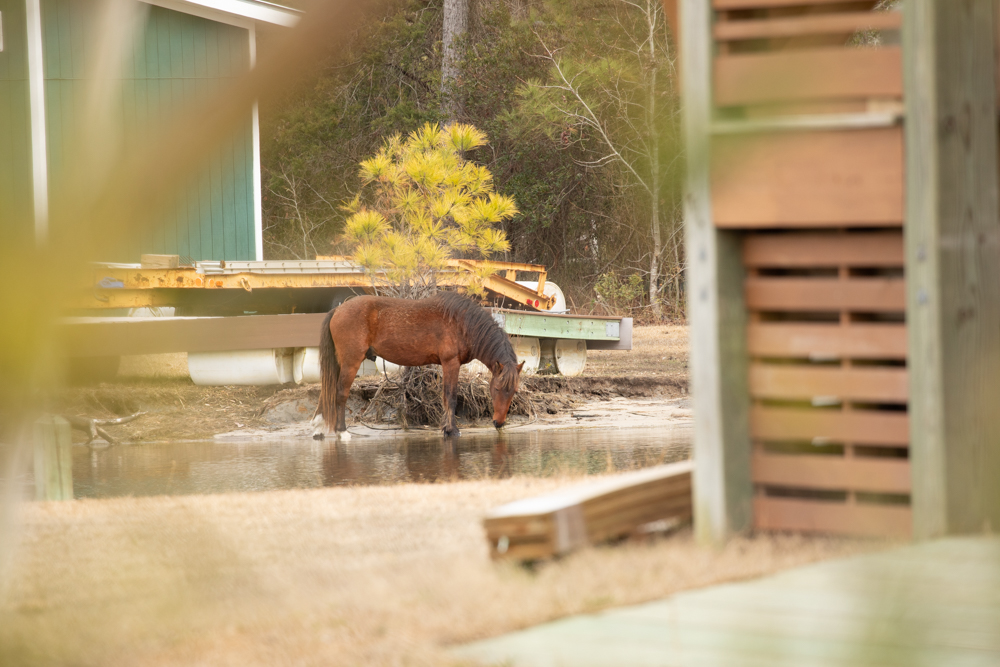
This past year I took a photo of horses that I wanted to love, but did not.
The framing was off. The light was strange. Construction cluttered the background. It just did not land.
Instead of abandoning it, I stayed with the intention.
I experimented. I cropped. I adjusted the light. I tried overexposing it after being inspired by another image I had taken. Little by little, the photo moved closer to what I imagined.
What surprised me was what happened internally.
By choosing not to quit and by shaping the image instead of discarding it, I entered flow.
Not because it was easy, but because it mattered.
I went from this…
to this:
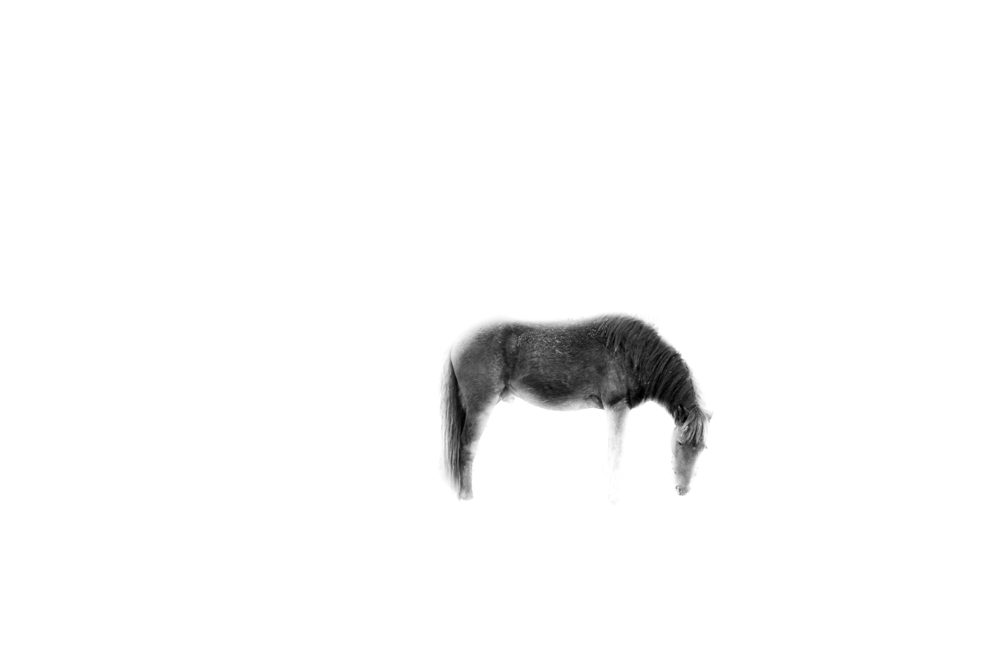
Then I asked AI a simple question:
Can you make this photo feel more ethereal?
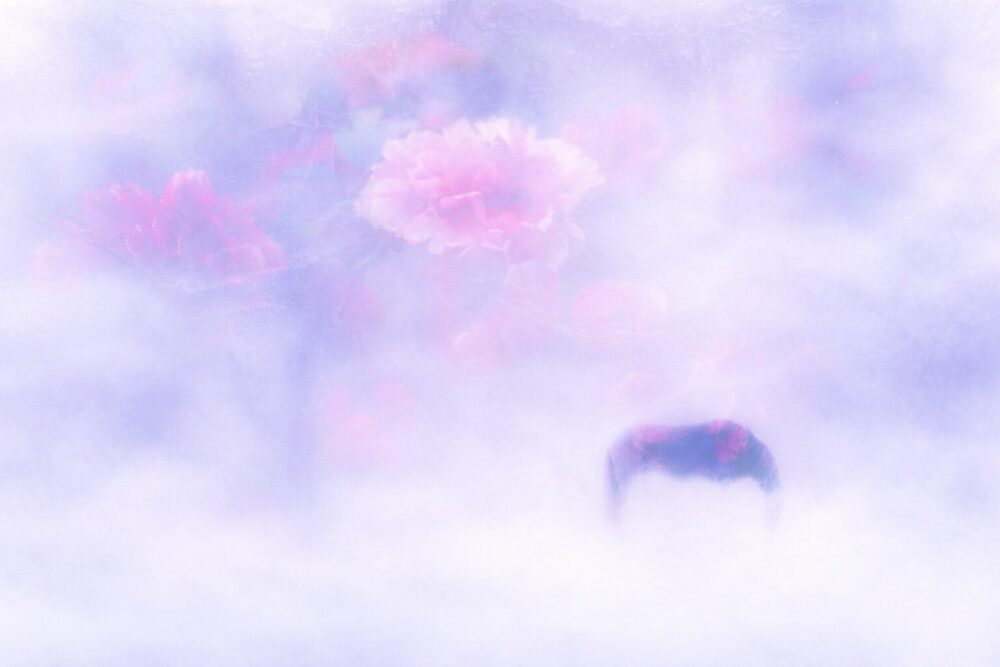
What mattered most was not the final result. It was the process.
Agency led to creativity. Creativity opened the door to flow.
FLOW IS SOMETHING WE CAN PRACTICE
Flow is that state where time quiets down and you feel fully absorbed in what you are doing.
Psychologist Dan Tomasulo describes people who experience flow more often as “flowing humans,” not because of talent alone, but because they practice certain traits that invite engagement, meaning, and momentum.
Flow is not something we wait for.
It is something we can create.
Photography is one of my favorite ways to step into it, because photography asks for presence, not perfection.
Just this:
What is here? Why is this interesting? What could this become?
NEW SHOWCASE: IMAGINING WELL-BEING
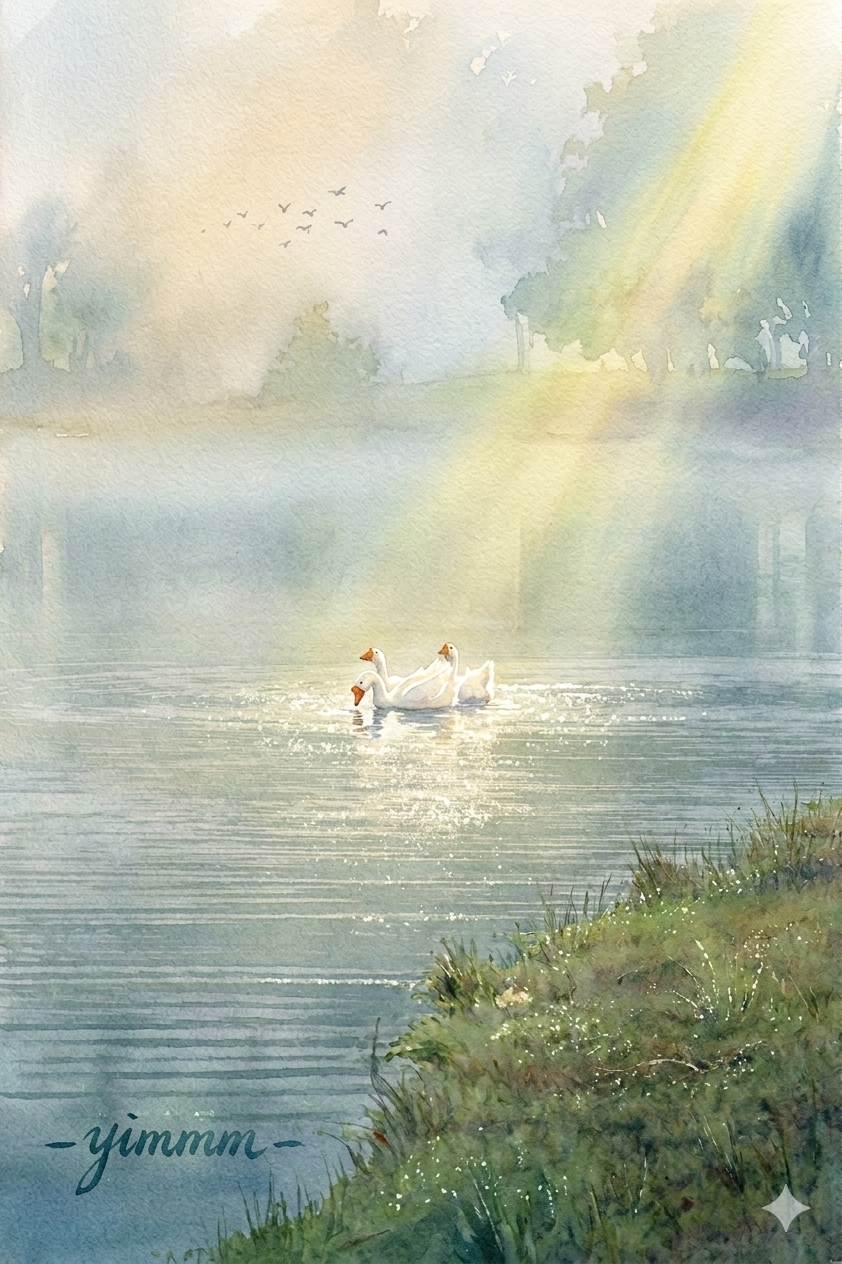
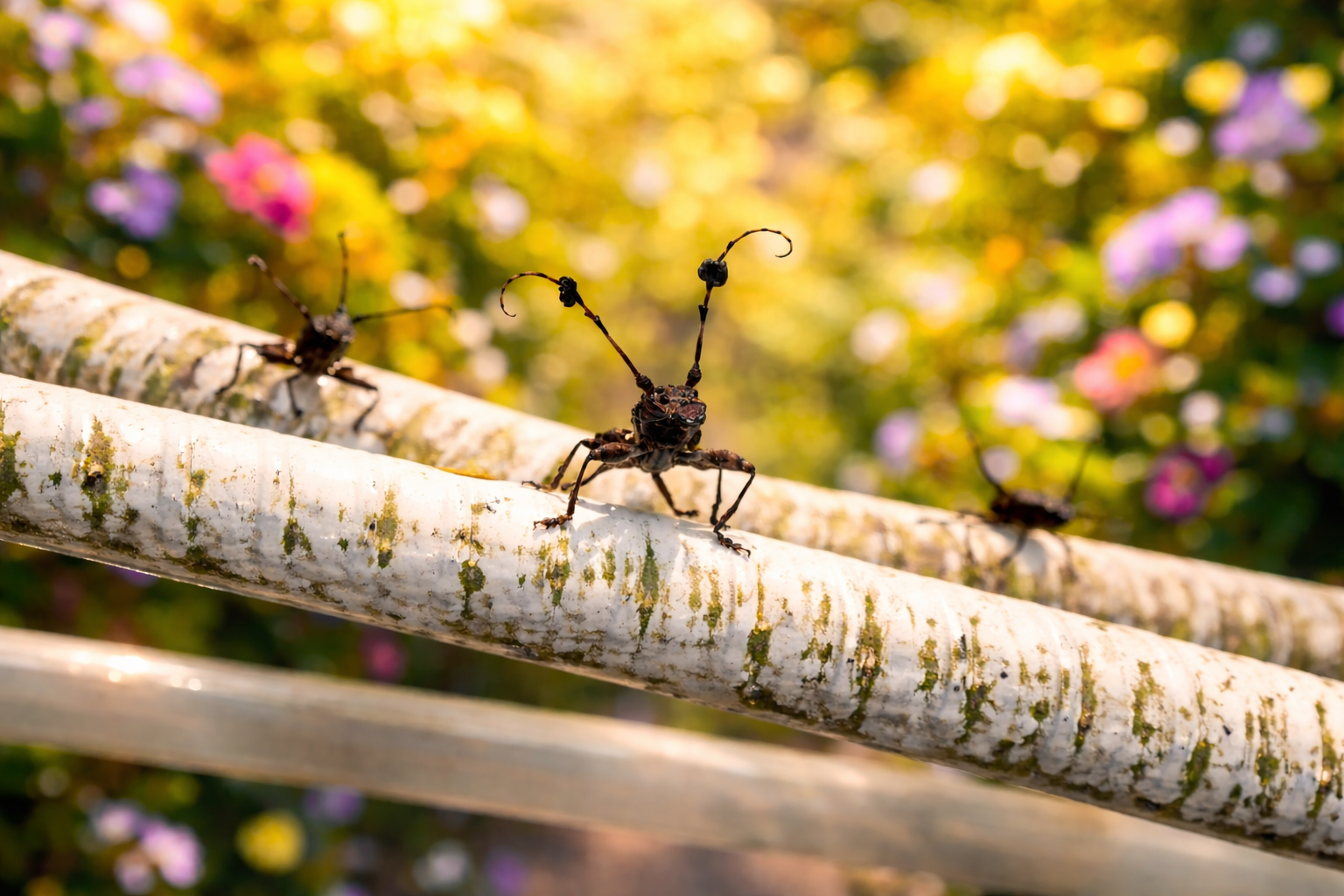
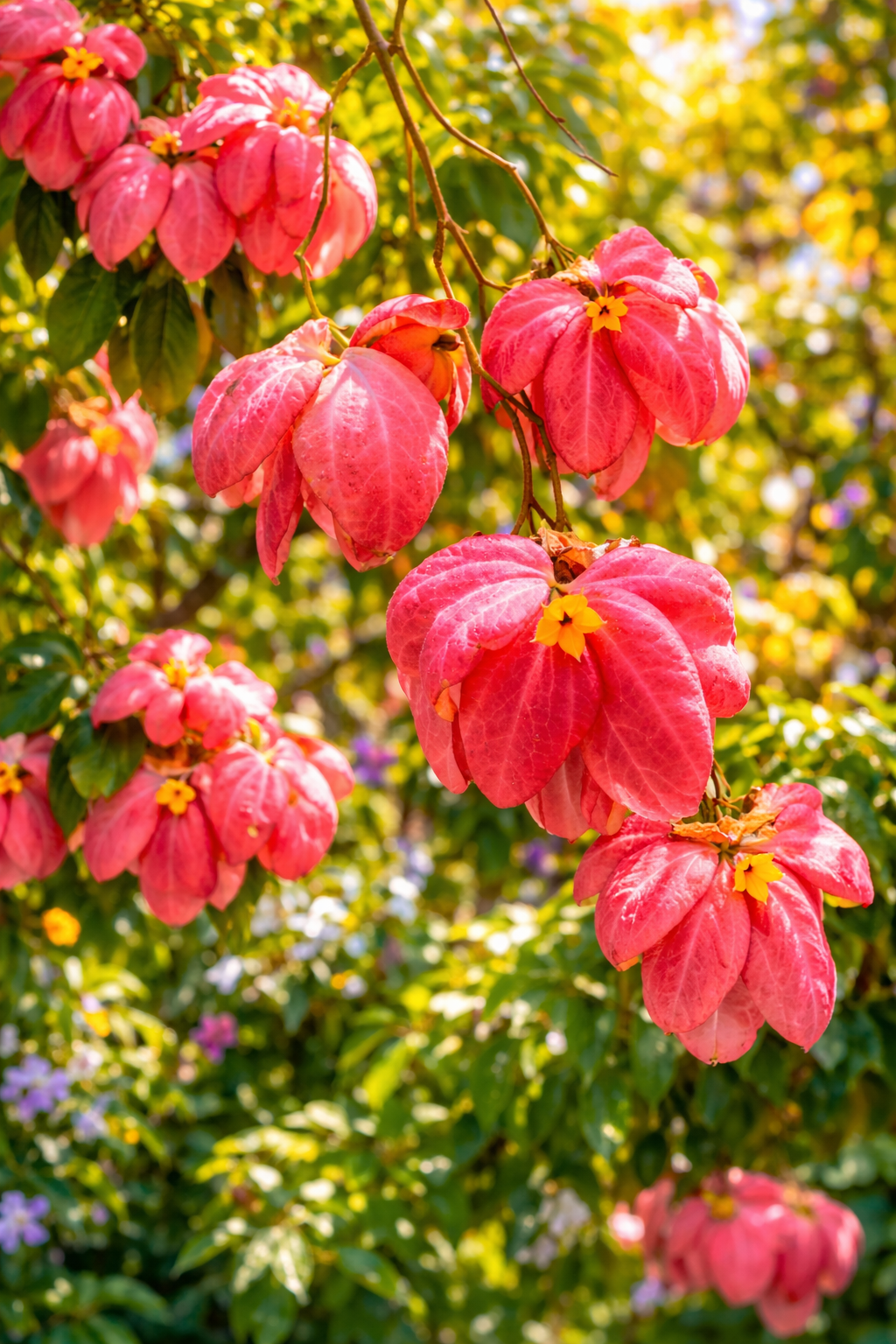
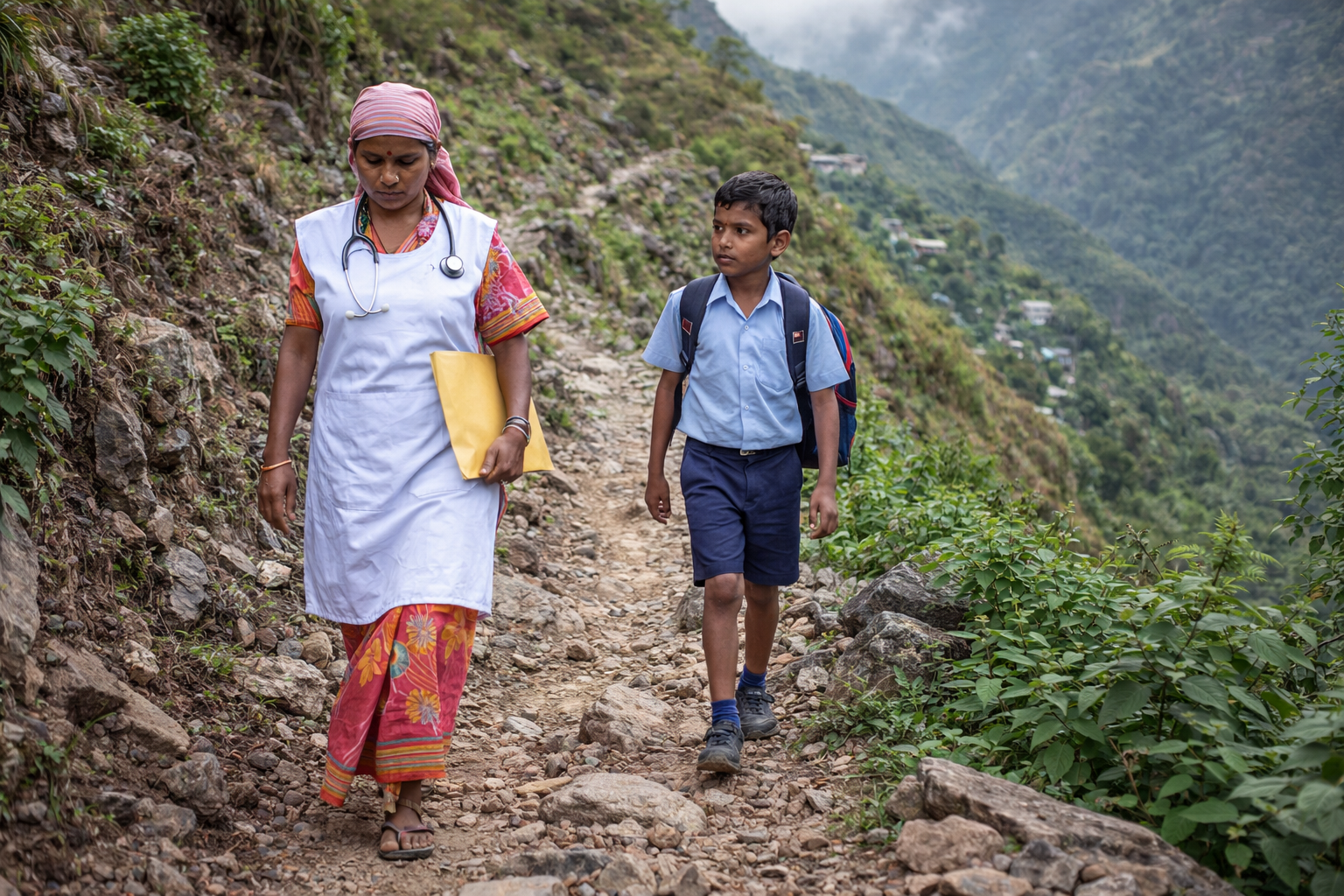
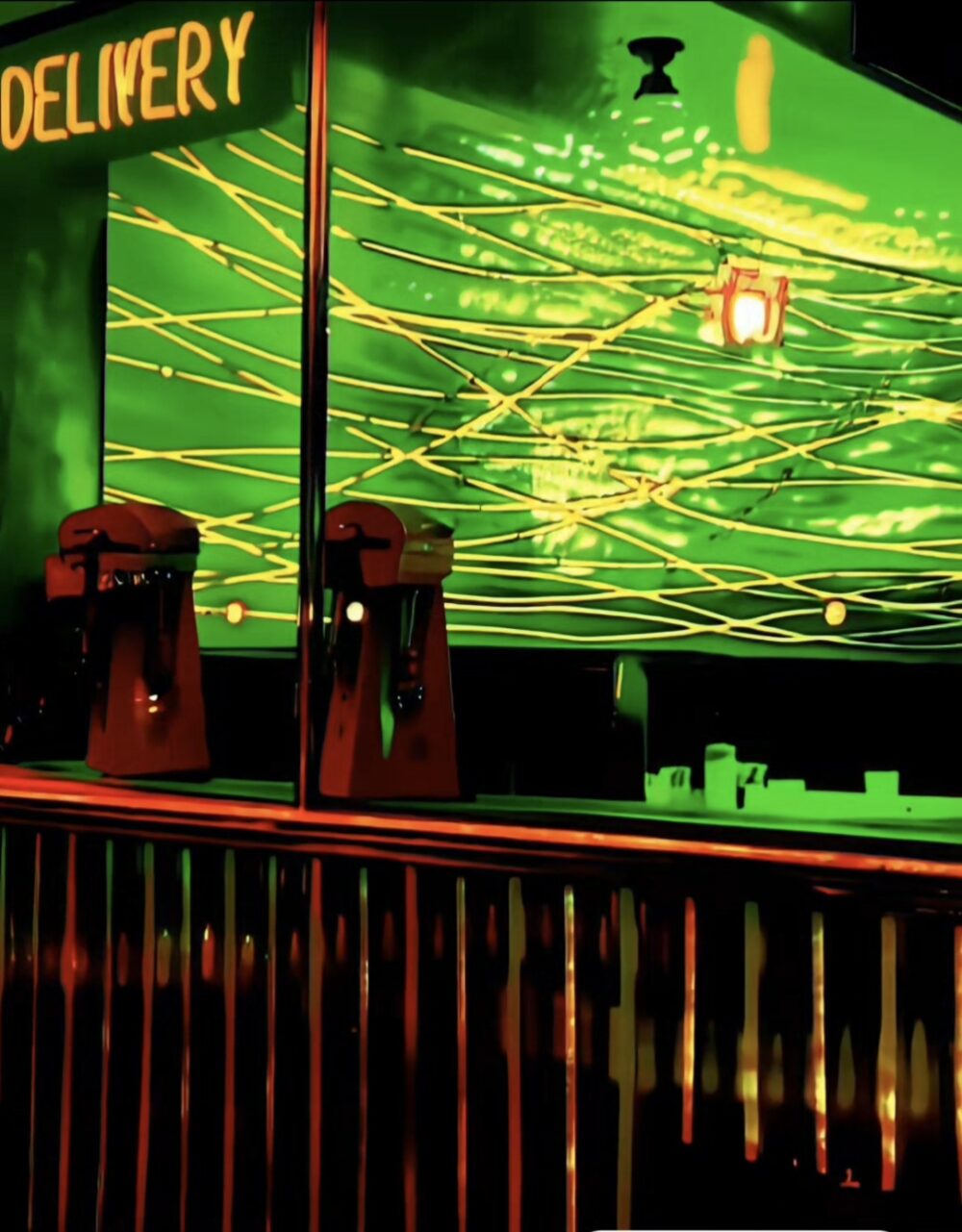
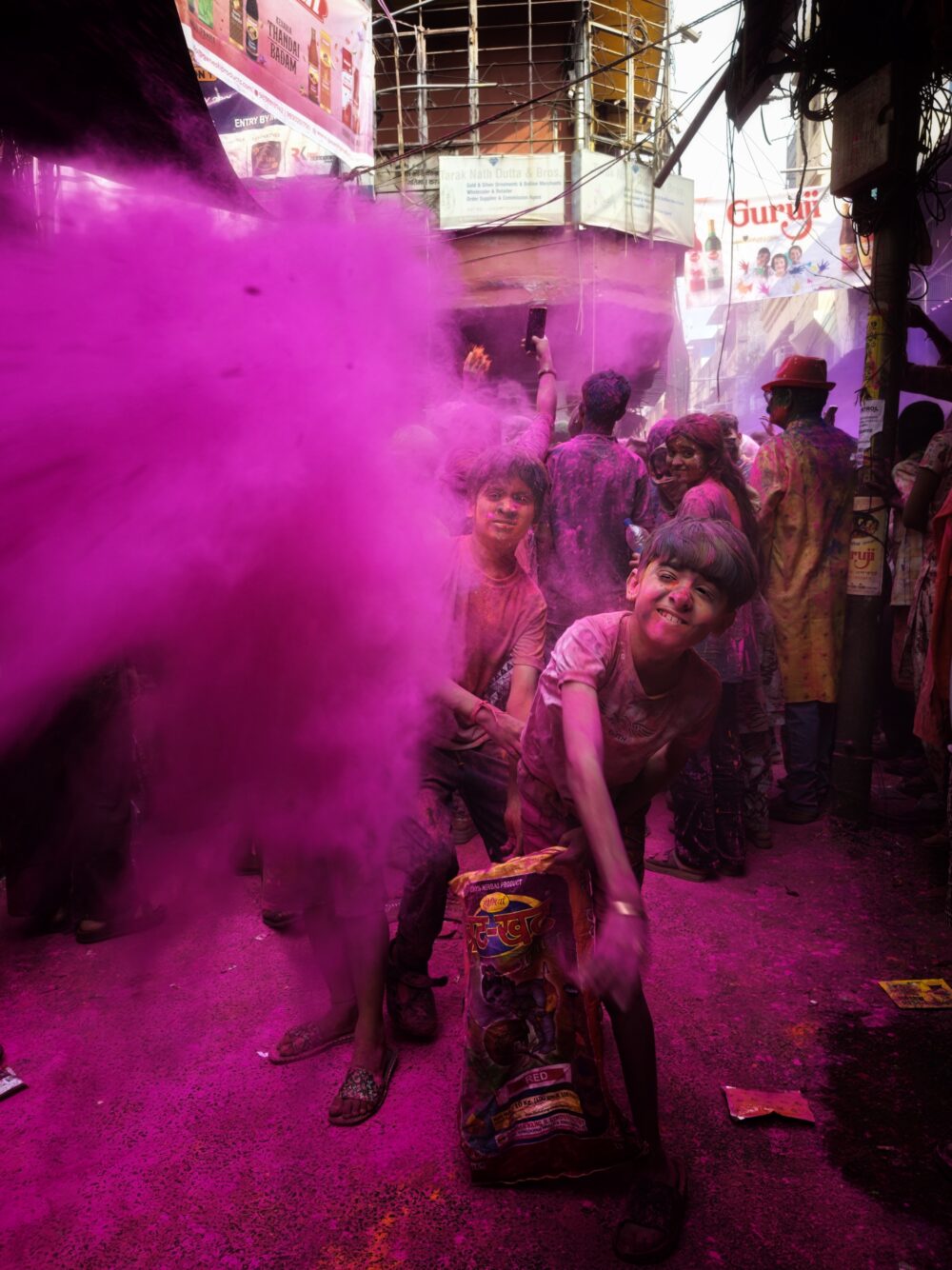
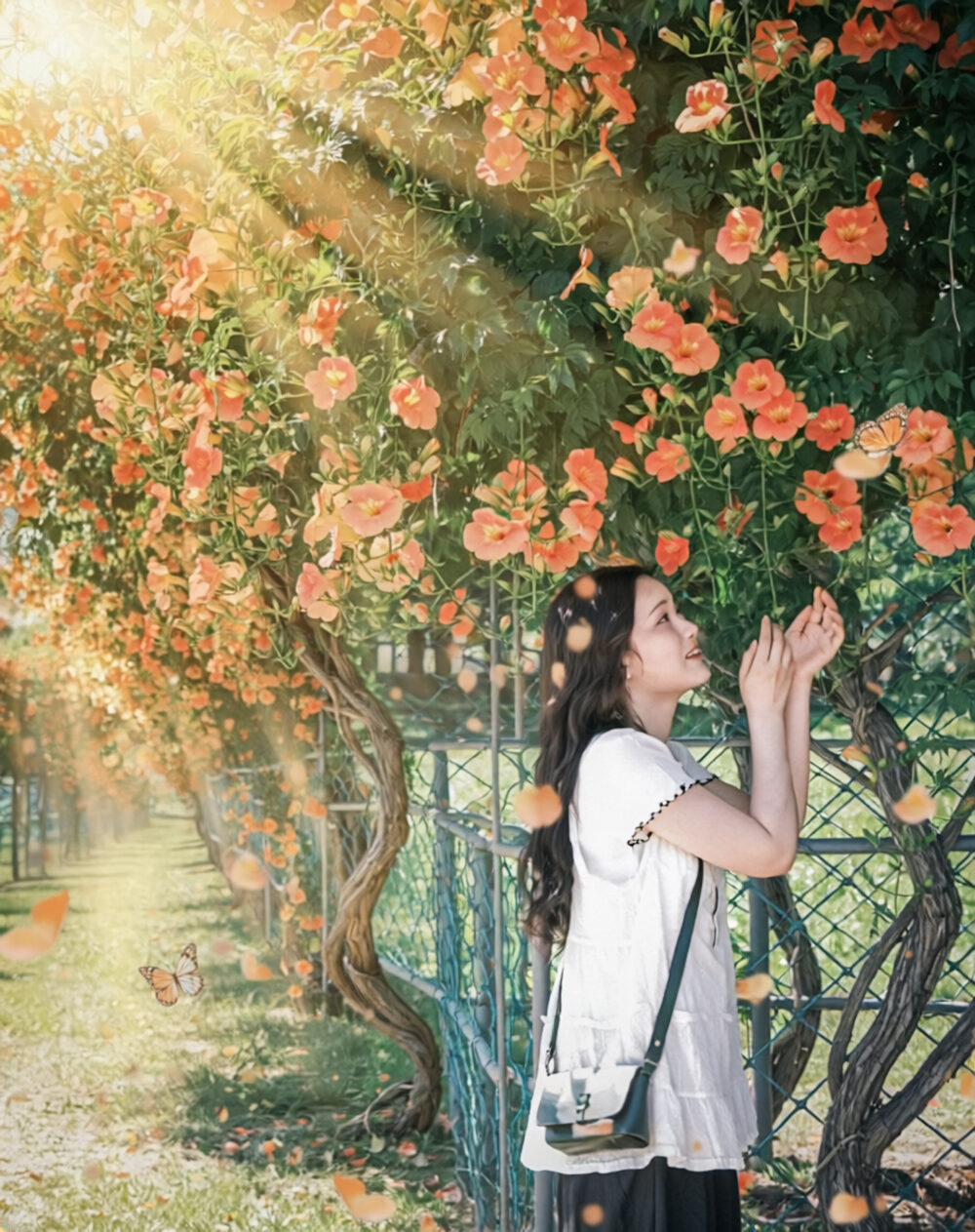
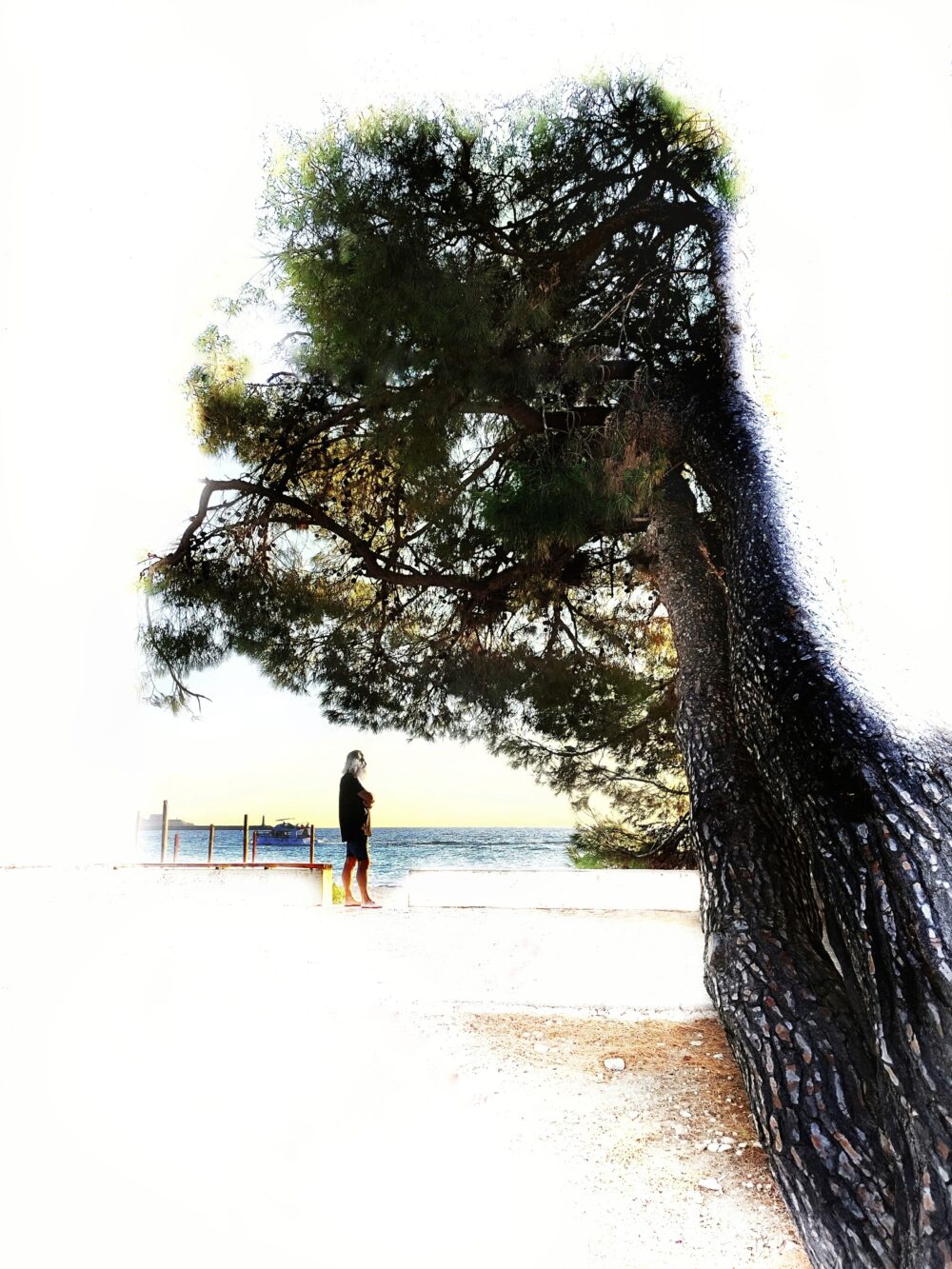
SeeingHappy is excited to announce the launch of IMAGINING WELL-BEING: An International Photography + AI Showcase, led and curated by SeeingHappy in collaboration with the AI and the Future of Well-Being Summit hosted by the International Positive Psychology Association (IPPA).
This open call invites participants to:
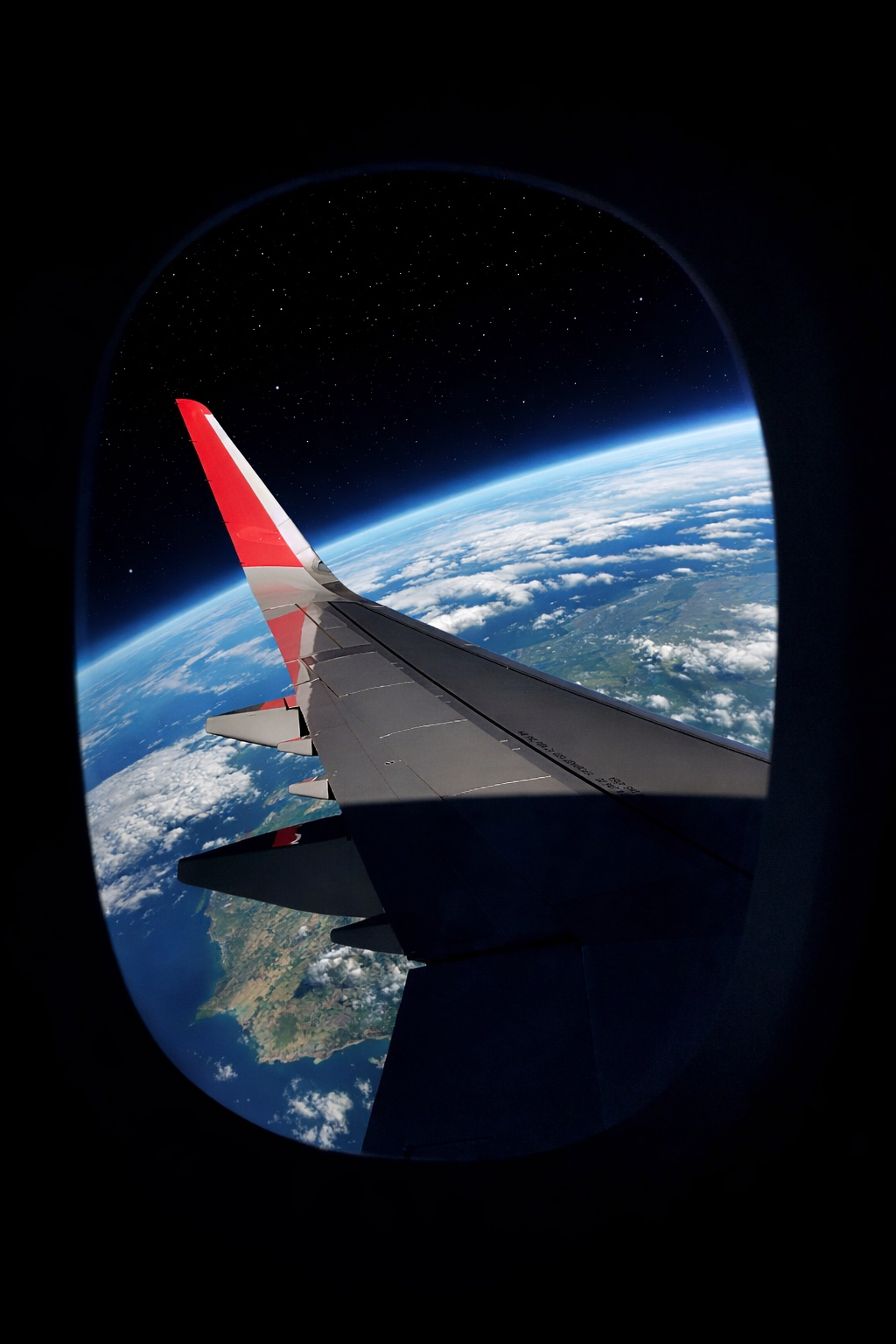
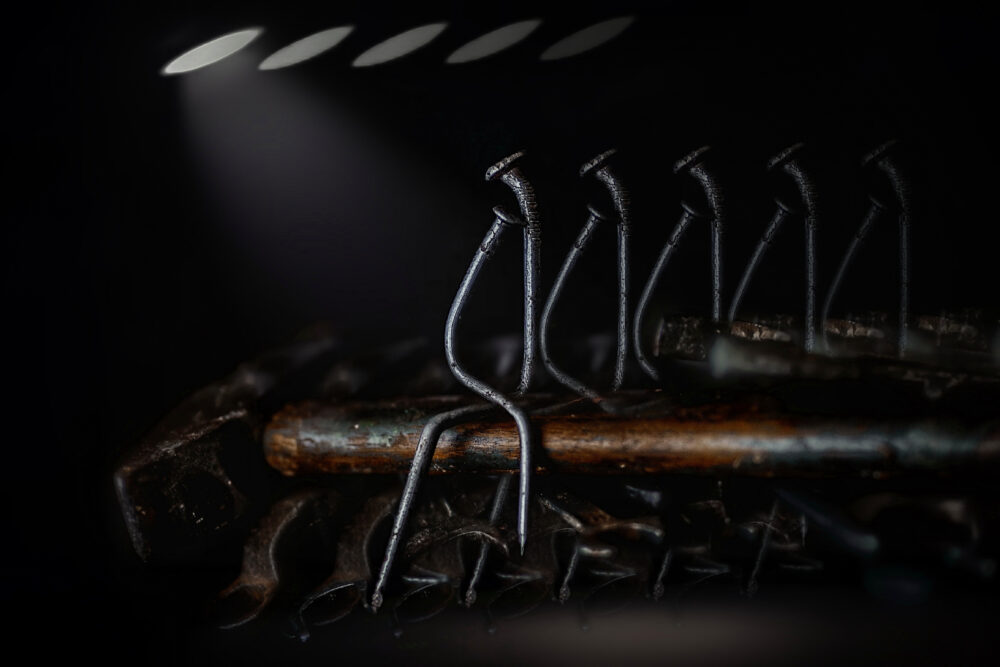
●Photograph a moment that makes them feel happy, grounded, or alive
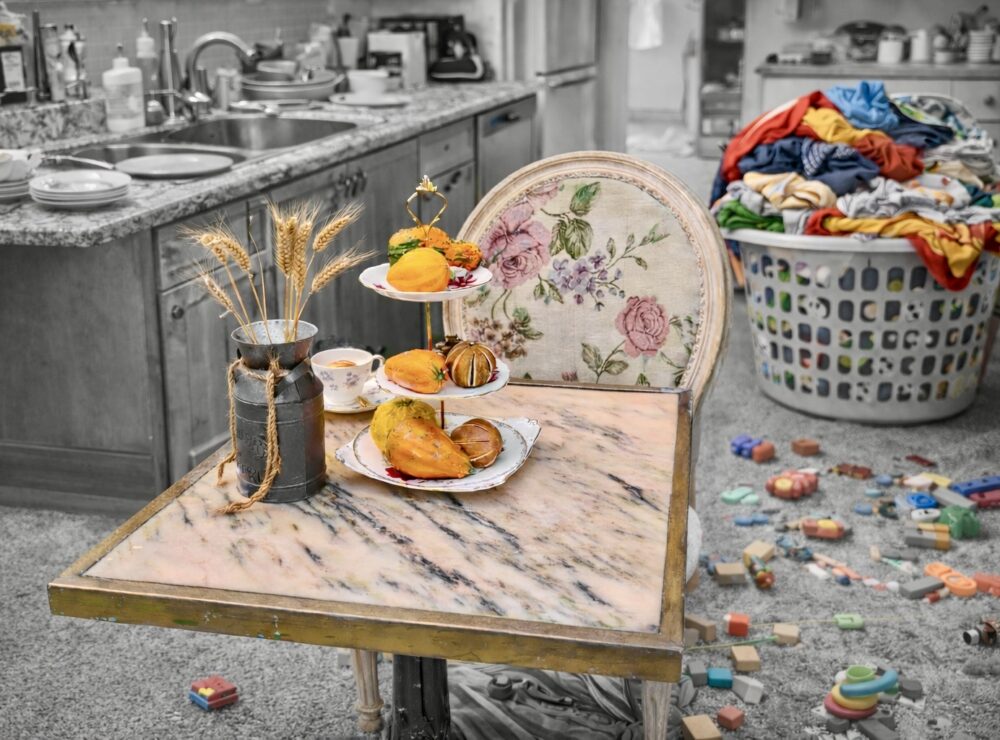
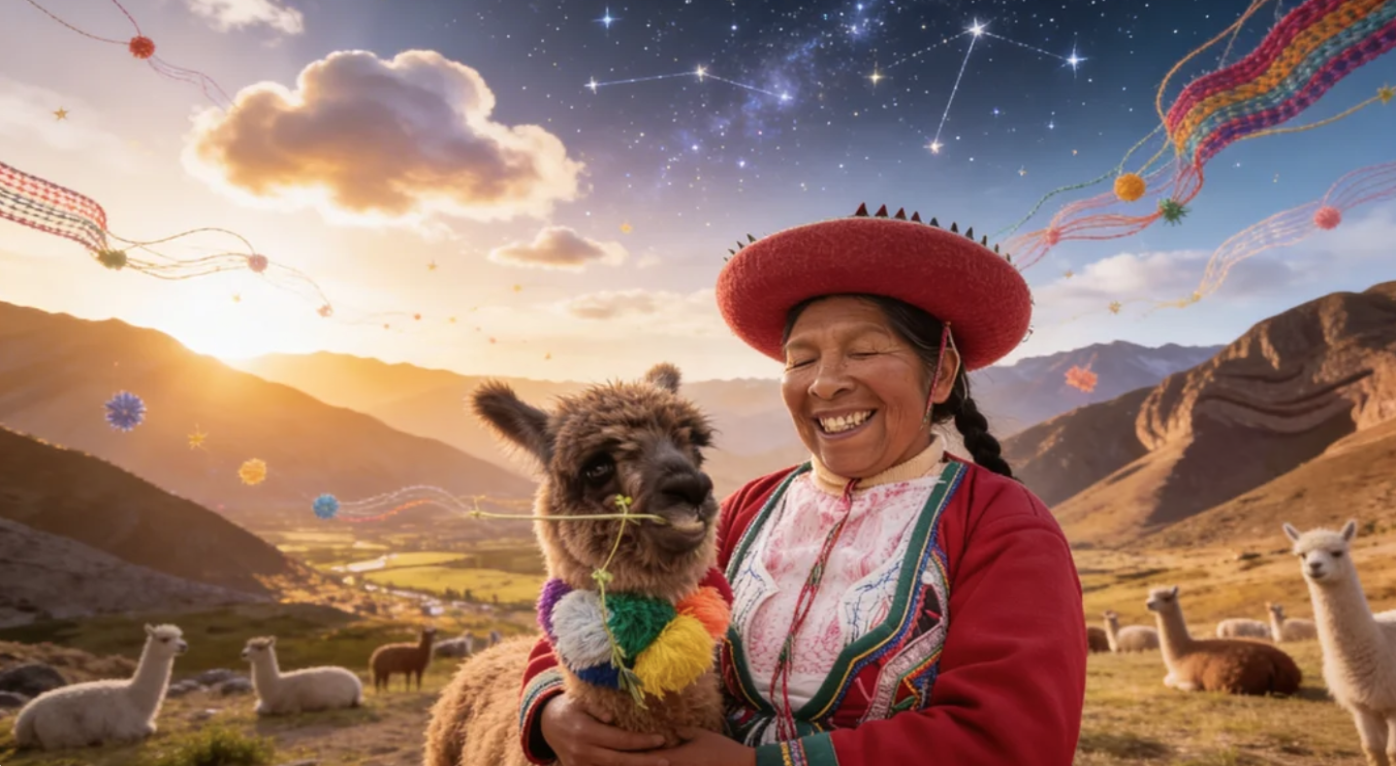
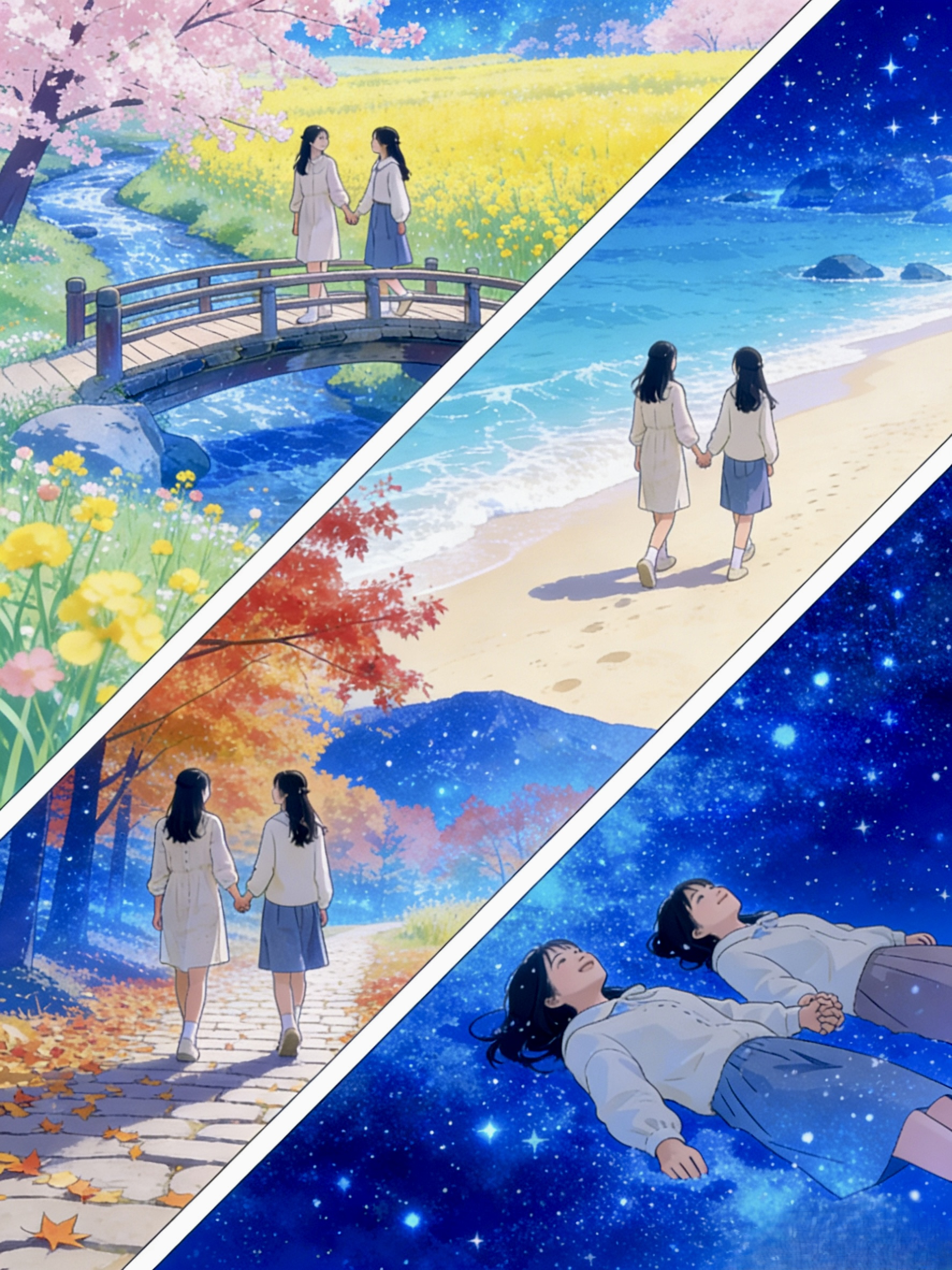
●Use AI tools to augment that moment through imagination
●Submit both the original image and an AI-augmented version
●Reflect on how AI supported, rather than replaced, their creative process
IMAGINING WELL-BEING treats AI not as a shortcut, but as part of a long tradition of photographic experimentation, where human intention, imagination, and agency remain central.
Together, these images form a collective exploration of how creativity, technology, and well-being can coexist in intentional and generative ways.
Submissions are now open.
We cannot wait to see how you imagine what comes next.
Warmly,
Mandy